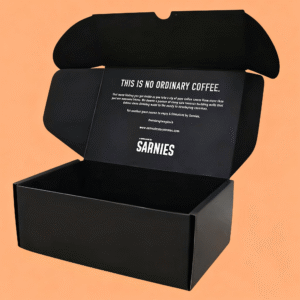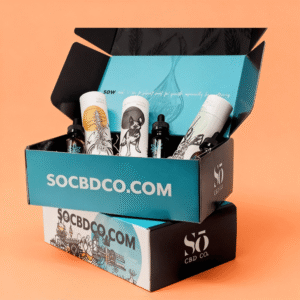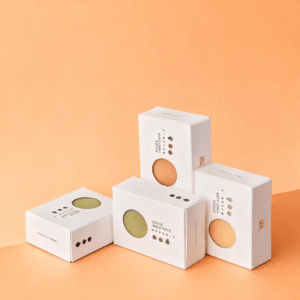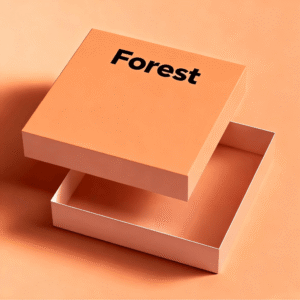




In the world of fine jewelry, the box is never just a box. It is the first handshake between your brand and your customer, the silent ambassador that sets expectations before a single piece is revealed. As the luxury packaging market surges toward an estimated $19.7 billion by 2030, driven by a compound annual growth rate of 5.5%, the humble jewelry box has evolved into a sophisticated brand asset that demands strategic attention .
This comprehensive guide explores everything you need to know about custom jewelry boxes in 2026—from material selection and structural engineering to the cutting-edge trends that separate visionary brands from the competition.
Part I: Why Custom Jewelry Boxes Matter More Than Ever
The Psychology of Unboxing
Modern consumers don’t just purchase jewelry—they purchase an experience. Research consistently shows that packaging captures over 50% of customer attention during the initial product interaction . When a customer lifts a properly weighted rigid box, their brain instinctively associates that heft with value and quality. A flimsy, generic box can diminish the perception of even the most exquisite diamond, while a thoughtfully designed custom box can elevate perceived value by 20–40% .
The Social Media Multiplier
In an era where unboxing videos generate billions of views, your packaging is marketing infrastructure. Jewelry unboxing content consistently achieves three times higher engagement than traditional product photography . When customers share their unboxing experience, every impression becomes free brand advocacy—but only if your packaging is worth sharing.
Brand Recognition and Differentiation
With thousands of jewelry brands competing for attention, custom packaging creates instant visual recall. Consistent use of signature colors, textures, and structural elements builds what branding experts call “mental availability”—the likelihood that customers will think of your brand when considering a jewelry purchase.
Part II: Material Selection Guide for Custom Jewelry Boxes
The foundation of any exceptional jewelry box lies in its materials. Each option offers distinct advantages depending on your brand positioning, product type, and budget considerations.
Wood: Timeless Elegance and Heirloom Quality
Wooden jewelry boxes represent the pinnacle of traditional craftsmanship. Available in premium hardwoods like walnut, mahogany, cherry, and maple, these boxes develop character over time and are often passed down through generations .
Key Benefits:
Exceptional durability and structural integrity
Natural warmth and aesthetic appeal
Excellent protection against impact and moisture
Highly customizable through laser engraving, carving, and staining
Resists warping when properly treated
Considerations:
Higher cost due to materials and craftsmanship
Heavier weight increases shipping costs
Requires humidity control to prevent cracking
May need occasional polishing or conditioning
Best Applications: Engagement rings, wedding bands, heirloom collections, high-end timepieces, anniversary gifts
Rigid Paperboard/Cardboard: Versatile and Brand-Ready
Modern rigid paperboard—particularly high-density chipboard wrapped in printed paper—has revolutionized custom jewelry packaging. When properly constructed, these boxes offer surprising strength while remaining lightweight and highly printable .
Key Benefits:
Exceptional printability for full-color branding
Lightweight design reduces shipping costs
Eco-friendly and recyclable options available
Cost-effective for large-volume orders
Wide range of thickness options (1200–2000gsm standard)
Considerations:
Less durable than wood for long-term storage
Moisture-sensitive without proper coating
Perceived value depends heavily on finishing quality
Best Applications: E-commerce packaging, gift sets, promotional collections, subscription boxes, retail displays
Leather (Genuine and Faux): Tactile Luxury
Leather-covered boxes deliver an immediate sensory experience that synthetic materials struggle to replicate. The soft, warm texture communicates sophistication before the box even opens .
Key Benefits:
Premium tactile feel with high-end appearance
Lightweight and portable—ideal for travel jewelry cases
Scratch-resistant interior lining protects delicate pieces
Wide range of customization: embossing, stitching, foil stamping
Available in cruelty-free synthetic alternatives
Considerations:
May crack or fade with prolonged sun exposure
Genuine leather requires conditioning maintenance
Less impact-resistant than wood or metal
Best Applications: Travel jewelry organizers, corporate gifts, luxury branding, fashion-forward collections
Metal: Modern Security and Contemporary Edge
Metal jewelry boxes—crafted from aluminum, stainless steel, brass, or gold-plated alloys—offer unmatched durability and a distinctly modern aesthetic .
Key Benefits:
Superior durability and impact resistance
Tamper-resistant options for high-security applications
Polished, reflective finishes create stunning display pieces
Resistant to moisture and corrosion
Ideal for precision laser engraving
Considerations:
Cold tactile sensation may feel less inviting
Heavier weight increases shipping costs
Requires proper interior lining to prevent scratching
Limited design flexibility compared to paper
Best Applications: High-security storage, luxury watch cases, collectible pieces, modern minimalist brands, corporate awards
Fabric-Upholstered: Soft Sophistication
Fabric-upholstered boxes feature rigid cores (typically wood or MDF) wrapped in luxurious textiles such as velvet, silk, satin, or cotton. The plush interior cradles jewelry gently while exterior fabrics offer rich color and texture .
Key Benefits:
Ultra-soft interior protects against scratches and tarnishing
Wide range of color options for brand matching
Luxurious texture and visual richness
Lightweight and easy to personalize
Warm, inviting aesthetic perfect for bedroom displays
Considerations:
Fabrics may stain or fray over time
Less durable for high-traffic retail environments
Requires gentle cleaning to maintain appearance
Best Applications: Bridal gifts, boutique packaging, feminine aesthetics, delicate jewelry collections
Material Comparison at a Glance
| Material | Durability | Aesthetic | Customization Options | Cost Range (Wholesale)* |
|---|---|---|---|---|
| Wood | Excellent | Classic, timeless | Engraving, carving, staining | $3.50–$12.00/unit |
| Rigid Paperboard | Good | Versatile, printable | CMYK printing, foiling, embossing | $0.80–$4.00/unit |
| Leather (Real/Faux) | Good | Luxurious, tactile | Embossing, monogramming, stitching | $1.20–$5.00/unit |
| Metal | Excellent | Sleek, contemporary | Laser engraving, etching, plating | $2.00–$8.00/unit |
| Fabric Upholstered | Good | Elegant, soft | Embroidery, printing, color matching | $1.50–$6.00/unit |
*Based on MOQ of 500–5,000 units. Prices vary by material, size, and customization complexity
Part III: Interior Components and Protection
The true test of a jewelry box lies beneath the surface. Interior components determine both product safety and the quality of the unboxing reveal.
Lining Materials
Velvet and Microfiber Velvet: The industry standard for jewelry box interiors, offering plush protection with a dense, luxurious texture. Excellent for preventing scratches and tarnishing while adding visual depth .
Silk (Mulberry and Charmeuse): Experiencing a significant resurgence in 2026, silk linings represent the pinnacle of luxury. Silk box lining is rapidly emerging as one of the most sought-after components in high-end packaging, driven by renewed appreciation for sustainable luxury and heightened interest in tactile experiences . Mulberry silk offers unmatched softness and gloss, while charmeuse provides lightweight suppleness ideal for delicate pieces .
Satin/Silk-Satin Blends: A cost-effective alternative to pure silk, offering smooth gloss suitable for entry-level luxury packaging.
Suede: Provides warm, soft touch with excellent friction prevention, though less durable than velvet or silk for high-use applications .
Structural Inserts
EVA Foam: The most popular choice for custom inserts, EVA foam provides excellent cushioning and can be precision-cut to hold specific jewelry shapes securely. Prevents movement during transport while maintaining product visibility .
Cardboard Inserts: Cost-effective and eco-friendly, custom-die cut cardboard inserts create compartments that keep pieces organized. Ideal for multi-item sets and subscription boxes .
Molded Pulp: A sustainable innovation gaining traction in 2026, molded pulp inserts offer biodegradable protection with a distinctive natural aesthetic .
Flocked Inserts: Velvet-like texture applied to molded surfaces creates a seamless, luxurious presentation surface that prevents scratching .
Part IV: 2026 Jewelry Packaging Trends: The Visionary Brand’s Blueprint
The jewelry packaging landscape is undergoing a profound transformation. Based on extensive industry analysis, five pivotal trends are defining the future of custom jewelry boxes .
Trend 1: From Sustainable to Regenerative – The “Positive-Impact” Package
Sustainability has evolved from “reduce harm” to “do more good.” In 2026, the paradigm shifts toward regenerative packaging—materials and systems that actively contribute to ecological restoration .
What This Means:
Carbon-negative bioplastics derived from algae that sequester CO2 during production
Seed-infused papers that can be planted after unboxing to grow wildflowers, supporting local biodiversity
Mushroom-based mycelium that can be molded into protective, high-end inserts and fully composted at home
Bamboo pulp from rapidly regenerating sources
Actionable Insight: Your packaging story is no longer “this box is recycled.” It’s “this box was made from reclaimed ocean plastic, helping to clean our seas” or “planting this packaging supports bee populations.” This narrative shift creates powerful differentiation .
Trend 2: From Personalization to Predictive AI – The “Anticipatory” Unboxing
While 2025 focused on offering customization options, 2026 leverages artificial intelligence to create predictive, anticipatory personalization. Forward-thinking brands will know what their customers want before they do .
What This Means:
AI algorithms analyze purchase history, social media aesthetics, and life events to tailor packaging automatically
Modular “personalization kits” with interchangeable elements (velvet linings, ribbons, message cards) assembled based on AI recommendations
Subtle cues like matching foil accents to a customer’s preferred metal color—unsolicited details that demonstrate intimate brand knowledge
Actionable Insight: True luxury is subtle and thoughtful. The goal isn’t invasive data collection but rather delivering bespoke experiences that feel like personal gifts rather than transactions.
Trend 3: From Smart to Sentient – The IoT-Enabled Digital Passport
Packaging evolves into a true Internet of Things device, hosting a blockchain-verified Digital Passport for the jewelry within. This creates a living, evolving connection between customer, product, and brand .
What This Means:
NFC chips discreetly embedded in boxes link to secure digital vaults containing:
Blockchain-verified provenance tracing gemstones from mine to market
Dynamic ownership history that can be securely transferred
Service and memory logs recording repairs and life events
Integrated insurance and updated digital appraisals
Actionable Insight: This technology combats counterfeiting while creating ongoing brand engagement. A subtle, debossed icon indicating the NFC chip location signals technological sophistication without disrupting design aesthetics .
Trend 4: Multi-Sensory Design and Neuro-Aesthetics
Designers are becoming sensory choreographers, using physical cues to evoke specific emotional responses before the jewelry is even seen .
What This Means:
Haptics and Weight: Box density engineered to convey substance and value. Textures shift from simple soft-touch to complex surfaces that invite touch and slow down the unboxing experience
Acoustics: The satisfying low-frequency thud of magnetic closures, the gentle rustle of premium tissue—these become auditory signatures of quality
Olfaction: Subtle, bespoke brand scents infused into packaging materials. Scent is the sense most closely linked to memory, making this an extraordinarily potent branding tool
Actionable Insight: During the design process, define the desired emotional outcome. Do you want the experience to feel “serene and calming” or “dramatic and exciting”? Select materials, structures, and sounds that support this goal.
Trend 5: Radical Minimalism – The Art of Intentional Simplicity
Minimalism evolves into Radical Minimalism—a highly confident design language that strips away everything extraneous to focus on impeccable structure and one extraordinary detail .
What This Means:
Blind embossing/debossing: Three-dimensional brand totems pressed into thick specialty papers, visible only at specific angles of light and shadow. This creates subtle, restrained luxury that appeals to consumers seeking low-key affluence
Color trends: Soft off-whites, greys, and cream tones (Pantone’s “Cloud Dancer”) dominate exteriors, often paired with deep matte black or charcoal interiors for dramatic contrast that makes diamonds the sole visual focus
Architectural forms: Challenging traditional cubes with unique geometric shapes, sculptural forms, or packaging that unfurls like a flower
Actionable Insight: The “one thing” rule—choose one element to be the hero. It might be an unusual material (polished concrete), a complex closure, or a stunning interior color reveal. This singular focus creates unforgettable impact .
Part V: Customization Techniques and Design Options
Printing and Finishing Technologies
Offset Printing: The gold standard for high-volume production, delivering exceptional color accuracy and sharp detail. Ideal for complex designs and consistent brand colors across large runs .
Digital Printing: Perfect for shorter runs and variable data printing. Enables cost-effective customization of individual boxes with unique names or messages .
CMYK vs. Pantone:
CMYK (four-color process): Supports full-color printing for complex designs and photographic imagery
PMS (Pantone Matching System): Ensures perfect color consistency across production runs using pre-mixed inks. Essential for brands with strict color guidelines
Surface Enhancement Techniques
| Technique | Effect | Best Applications |
|---|---|---|
| Foil Stamping | Metallic shine (gold, silver, holographic) | Logos, monograms, accent elements |
| Gofrado | Raised design for tactile depth | Logos, patterns, decorative motifs |
| Gofrado | Impressed design for subtle texture | Brand names, minimalist branding |
| Spot UV | Glossy contrast on specific areas | Logos, key design elements |
| Soft-Touch Coating | Velvety smooth surface feel | Premium unboxing experience |
| Laser Engraving | Precision etching on wood/metal | Personalized messages, intricate patterns |
Structural Design Options
Lid and Base Boxes: The classic two-piece construction with separate lid and deep base tray. Ideal for products requiring organized storage and easy product placement .
Magnetic Closure Boxes: Built-in magnets create automatic snap-shut closure, delivering security, reusability, and premium feel. Available in book-style, collapsible, and shoulder-neck configurations .
Drawer Boxes: Slide-out design adds anticipation and practical storage. Perfect for multi-item collections and ongoing use .
Shoulder-Neck Boxes: Multi-layered construction with a separate shoulder insert between lid and base. Creates depth and ultra-premium structure ideal for limited editions and luxury collections .
Part VI: Sourcing Strategy and Supplier Selection
The Five-Step Customization Process
Requirements Definition: Share product dimensions, quantity needs, and brand positioning
Design and Sampling: Select box style, materials, and finishes. Receive custom dieline and digital proof
Sample Approval: Physical sample inspection ensures color accuracy, material quality, and structural integrity
Production: Manufacturing begins after sample approval. Typical lead time: 20–25 working days
Quality Control and Delivery: Rigorous inspection before shipping. Video updates and third-party audits available from premium suppliers
Critical Supplier Evaluation Criteria
| Factor | What to Look For | Why It Matters |
|---|---|---|
| MOQ Flexibility | 300–500 units minimum for startups; scalable to volume | Matches your business stage and growth trajectory |
| Sampling Capability | 7–10 working days with sample cost refundable on bulk orders | Validates quality before committing to production |
| Quality Control | Multiple inspection points, video updates available | Ensures consistency across large orders |
| Certifications | FSC, ISO9001, GMI, CE | Verifies sustainability claims and quality standards |
| Communication | Direct access to decision-makers, not call centers | Prevents costly misunderstandings |
Cost Optimization Strategies
Request tiered pricing: Negotiate rates for 500, 1,000, and 5,000 units
Prioritize core elements: Allocate budget to high-impact features (logo presentation, interior lining) while simplifying secondary elements
Physical samples before bulk: Test color accuracy, material feel, and structural integrity before committing to large orders
Consider collapsible structures: Reduces shipping and storage costs while maintaining premium appearance
Part VII: Industry-Specific Applications
Bridal and Engagement
Wedding and engagement rings demand packaging that captures the moment’s significance. Wooden boxes with engraved dates, velvet-lined rigid boxes with ribbon pulls, and modular designs that transform into keepsake frames are trending for 2026 .
E-commerce and Subscription
Lightweight, protective, and brand-forward packaging that survives shipping while delivering memorable unboxing experiences. Collapsible magnetic boxes and custom-printed rigid paperboard dominate this category .
Luxury Retail
High-end retail environments require packaging that performs on shelves and in hand. Shoulder-neck constructions, multi-sensory elements, and radical minimalism designs create the quiet confidence luxury consumers expect .
Corporate Gifting
Professional presentation with lasting brand impact. Leather-bound boxes, metal-engraved cases, and modular designs that recipients repurpose extend brand visibility long after the gift is received .
Part VIII: Future-Proofing Your Jewelry Packaging
The 2026 jewelry packaging landscape rewards brands that think strategically about their packaging investments. Key considerations for long-term success:
Sustainability as Brand Equity
The shift from sustainable to regenerative packaging isn’t just environmental responsibility—it’s brand differentiation. Consumers increasingly choose brands whose values align with their own, and packaging provides tangible proof of those values .
Technology Integration
Smart packaging with NFC chips and digital passports will become standard rather than exceptional. Early adopters gain competitive advantage through enhanced customer engagement and counterfeit protection .
Modular Design Philosophy
Designing for reuse extends brand visibility and reduces environmental impact. When customers keep and repurpose your packaging, every glance reinforces brand recognition .
Conclusion: Your Strategic Packaging Partner
Custom jewelry boxes represent one of the most powerful investments a brand can make. They protect your products, communicate your values, and create emotional connections that drive loyalty and advocacy. The trends defining 2026—regenerative materials, predictive personalization, digital integration, multi-sensory design, and radical minimalism—offer visionary brands unprecedented opportunities to differentiate and captivate.
At Xinpeng Packaging, we transform these trends into tangible reality. Our comprehensive capabilities span material innovation, structural engineering, advanced printing technologies, and sustainable manufacturing—all delivered with the flexibility and partnership that growing brands deserve.