




When you run an independent e-commerce store, every detail matters—and packaging is no exception. Cardboard boxes are the silent brand ambassadors that deliver your product to your customer’s doorstep. But they’re so much more than just a vessel for shipping.
Let’s dive into why cardboard packaging is a game-changer for your independent brand and how you can leverage it to create an unforgettable unboxing experience.
Why Cardboard?
Cardboard is the unsung hero of the e-commerce world. It’s lightweight, durable, and highly customizable. For independent brands, cardboard offers a perfect balance between cost-effectiveness and premium presentation.
Here are three reasons why it should be your go-to choice:
- Protection: Corrugated cardboard provides excellent cushioning, ensuring your products arrive in pristine condition.
- Sustainability: With consumers becoming increasingly eco-conscious, recyclable and biodegradable cardboard aligns with modern values.
- Branding Potential: A plain brown box is a blank canvas. With thoughtful design, it becomes a powerful marketing tool.
Types of Cardboard Packaging
Before you order your first batch of boxes, it’s important to understand the different types of cardboard available.
1. Corrugated Cardboard
This is the standard for shipping. It consists of three layers: an outer liner, an inner liner, and a fluted middle layer. Corrugated boxes are strong, stackable, and ideal for heavier items or products that need extra protection during transit.
2. Paperboard (Folding Cartons)
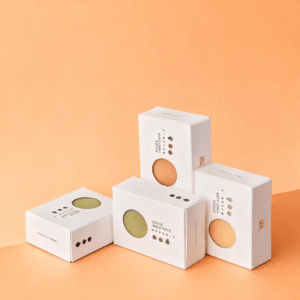
Paperboard is thinner than corrugated cardboard and is often used for retail packaging inside a shipping box. Think perfume boxes, beauty product packaging, or small accessories. It’s lightweight and offers a high-quality print finish.
3. Mailer Boxes
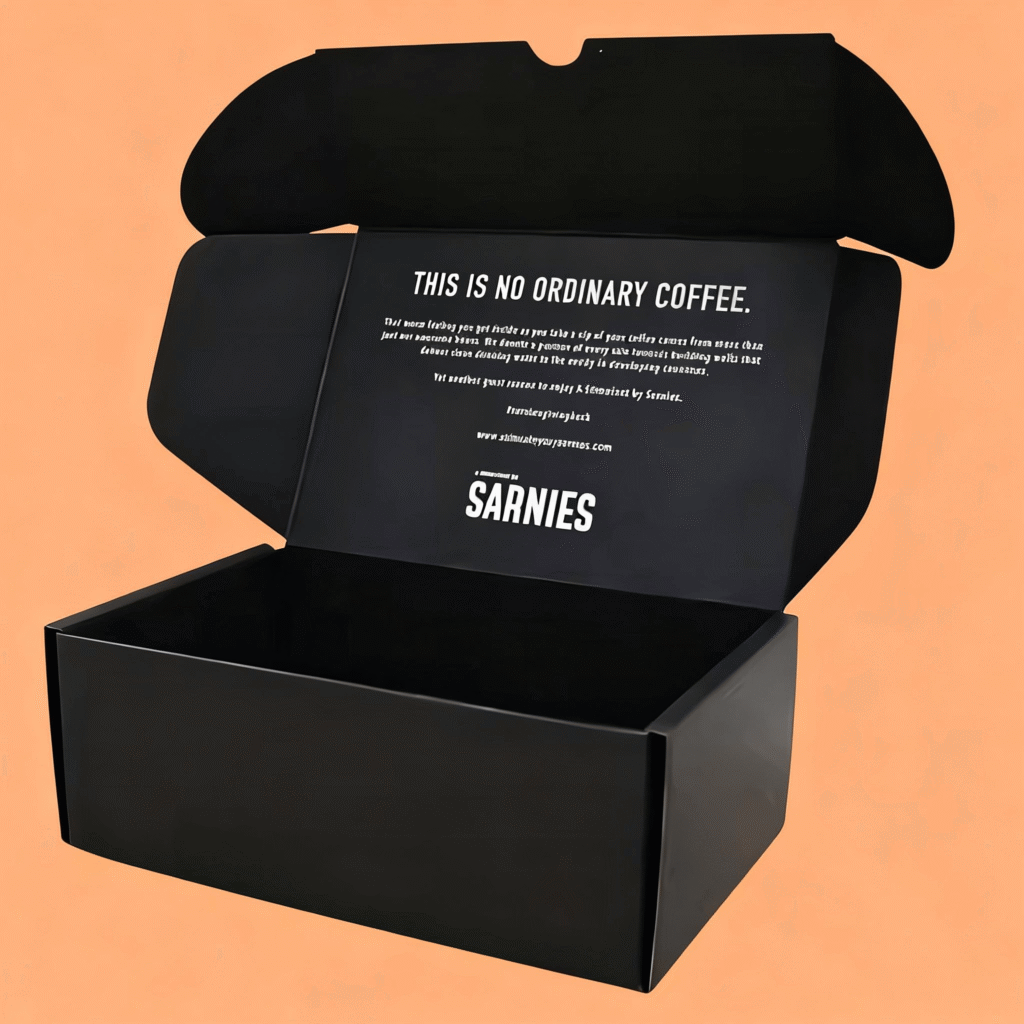
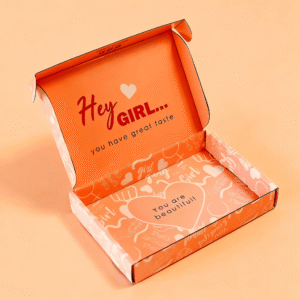
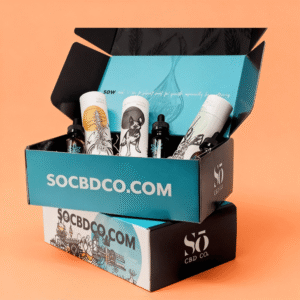
Mailer boxes are a popular choice for subscription boxes and apparel brands. They are typically made from corrugated cardboard but designed to be shipped directly without an outer box. They often feature a snug lid and can be customized with interior prints.
Designing Your Cardboard Packaging
Your packaging design should reflect your brand identity. Here are a few elements to consider:
Color and Printing
While natural kraft (brown) boxes convey a rustic, eco-friendly vibe, white or colored boxes can feel more premium. Consider using custom printing for your logo, a tagline, or even a pattern that matches your brand’s aesthetic.
Interior Details
Don’t neglect the inside of the box. Adding tissue paper, custom stickers, or a handwritten thank-you note can elevate the unboxing experience. Some brands even print patterns or messages inside the lid.
Size Matters
Oversized boxes not only increase shipping costs but also require more void fill (like bubble wrap or paper). Using the right-sized box reduces waste and ensures your product doesn’t shift around during transit.
Sustainability in Packaging
One of the biggest advantages of cardboard is its environmental footprint. Most cardboard is made from recycled materials and is itself recyclable. To take your sustainability efforts a step further:
- Use FSC-certified cardboard to ensure materials come from responsibly managed forests.
- Replace plastic bubble wrap with recycled kraft paper or corrugated inserts.
- Communicate your sustainability efforts on the packaging itself—let your customers know that the box can be recycled or composted.
Branding Beyond the Box
Cardboard packaging offers a unique opportunity to tell your brand story. Consider adding a QR code that links to a “how to recycle” page or a video about your brand’s mission. You can also use the shipping box to tease future products or invite customers to share their unboxing experience on social media.
Remember: every box you send out is a chance to earn a repeat customer.
Cost Considerations for Small Businesses
As an independent brand, managing costs is crucial. Custom cardboard boxes typically require a minimum order quantity (MOQ), which can be a hurdle when you’re just starting out. Here are a few alternatives:
- Start with custom stickers or stamps to brand plain kraft boxes.
- Use custom tissue paper or insert cards inside standard shipping boxes.
- Partner with a packaging supplier that offers low MOQs for small businesses.
Once your order volume grows, investing in fully custom printed boxes becomes more feasible and cost-effective.
Final Thoughts
Cardboard packaging is more than a necessity—it’s an extension of your brand. Whether you opt for minimalist kraft boxes or fully printed mailer boxes, the key is consistency. Your packaging should make your customers feel like they’re receiving something special, not just a package.
Take the time to design packaging that aligns with your values, protects your products, and delights your customers. In the world of e-commerce, it’s one of the most direct ways to build a lasting connection with your audience.