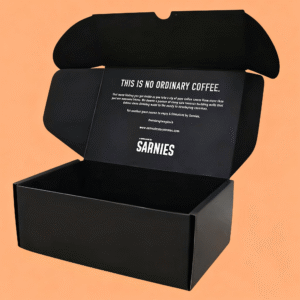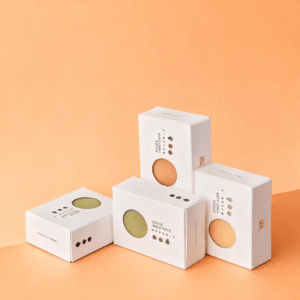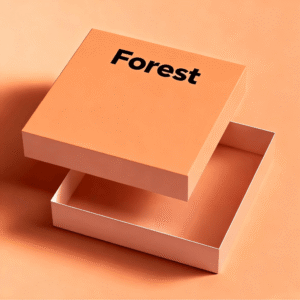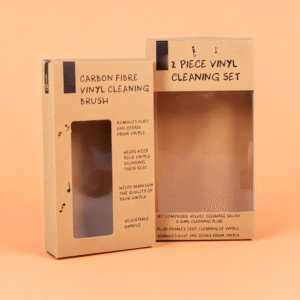





Printing makes your box stand out on shelves.
Different methods suit different budgets and quantities.
Let me explain the most common options.
Digital printing works best for small runs
Digital printing is like a large office printer.
It prints directly from a computer file.
No printing plates are needed for this method.
Setup costs are very low for digital printing.
You can print just one box if you want.
Custom paper boxes with logo often start digitally.
The print quality is good but not perfect.
Colors are consistent across the whole run.
However, digital cannot match every Pantone color.
Digital works best under 500 boxes total.
Above that quantity, other methods cost less.
It is great for samples and small launches.
Offset lithography is the industry standard
Offset printing uses metal plates for each color.
One plate for cyan, one for magenta, and so on.
The plate transfers ink to a rubber blanket.
Then the blanket presses ink onto your box.
This indirect method gives very sharp details.
Offset printing handles tiny text easily.
Setup costs are high because plates cost money.
But per‑box cost drops quickly at volume.
Offset is best for runs over 1,000 boxes.
Color matching is excellent with offset printing.
You can match specific Pantone colors exactly.
Rigid gift boxes wholesale almost always use offset.
Flexographic printing is for large runs on kraft
Flexo uses flexible rubber or photopolymer plates.
The plate wraps around a rotating cylinder.
Ink dries quickly by evaporation.
Flexo is common for kraft paper packaging boxes.
It prints directly on the brown corrugated surface.
The method is very fast and cost effective.
Print quality is lower than offset or digital.
Fine details and gradients do not print well.
But solid colors and text look perfectly fine.
Flexo works for runs above 5,000 boxes.
Eco friendly kraft packaging box often uses flexo.
It is the cheapest method for big quantities.
Screen printing for thick ink and special effects
Screen printing pushes ink through a mesh screen.
The screen has open areas where ink passes.
Closed areas block the ink completely.
This method lays down very thick ink layers.
The printed area has noticeable texture.
Screen printing feels raised to your fingers.
It is perfect for simple logos and bold text.
But it cannot print photographs or gradients.
Screen printing is slow and manual.
Luxury magnetic gift box with logo sometimes uses screen.
The raised ink feels premium and handmade.
Use it for short runs of high end boxes.
Gravure printing for massive quantities
Gravure uses engraved metal cylinders.
Each cylinder has tiny cells that hold ink.
The cylinder rotates through an ink bath.
A doctor blade removes excess ink from the surface.
Only ink inside the cells transfers to paper.
Gravure gives very consistent, long running prints.
Setup costs are extremely high for gravure.
Cylinders cost thousands of dollars to engrave.
But per‑box cost becomes very low after 50,000 units.
Gravure is rarely used for custom packaging boxes.
Only very large brands with huge runs choose it.
Most buyers will never need gravure printing.
What about foil stamping
Foil stamping is not actually printing.
It uses heat and pressure to transfer foil.
The foil bonds to your box surface.
Metallic gold and silver are the most common.
Red, blue, green, and holographic foil also exist.
The result is shiny and very eye catching.
Foil stamping requires a metal die.
The die costs money to make upfront.
But it lasts for thousands of stampings.
Gift boxes with logo often include foil stamping.
Luxury magnetic gift box with logo uses gold foil frequently.
It adds a premium feel that ink cannot match.
Embossing and debossing add texture
Embossing raises the design above the paper.
Debossing presses the design down into paper.
Both use a metal die and high pressure.
No ink or foil is applied to the area.
Just the shape of the paper changes.
The result is a subtle, elegant texture.
You can combine embossing with foil stamping.
The foil sits on the raised or pressed area.
This combination looks extremely expensive.
Custom packaging boxes manufacturer offers both options.
Rigid boxes with embossing feel luxurious.
Customers notice the tactile difference immediately.
UV coating and spot UV
UV coating is a liquid applied to printed boxes.
Ultraviolet light cures the liquid instantly.
The result is a hard, glossy, or matte surface.
Spot UV applies coating only to specific areas.
The rest of the box remains uncoated.
This creates a beautiful contrast of textures.
Spot UV makes logos and images pop visually.
You can feel the raised glossy areas.
Custom paper boxes with logo look very modern with spot UV.
Glossy UV coating covers the whole box.
It protects the print from scratching.
Matte UV gives a smooth, non reflective finish.
Which printing method should you choose
as small runs under 500 boxes, choose digital.
medium runs of 500 to 5,000, choose offset.
large runs over 5,000, choose flexo.
For kraft packaging, flexo is usually best.
luxury rigid boxes, offset with foil is better.
For samples and prototypes, digital is perfect.
Always ask your supplier for printed samples.
See the quality with your own eyes first.
Different methods look different in real life.
Combining multiple methods on one box
Many custom boxes use more than one method.
The base design might be offset printed.
Then foil stamping adds the logo.
Spot UV might highlight a product image.
Embossing might add texture to the brand name.
These combinations create truly premium packaging.
Rigid gift boxes wholesale often use three methods.
Offset for the background pattern.
Foil for the logo. Spot UV for the product name.
Each additional method adds cost.
But the visual impact grows significantly.
Find the balance that fits your budget.
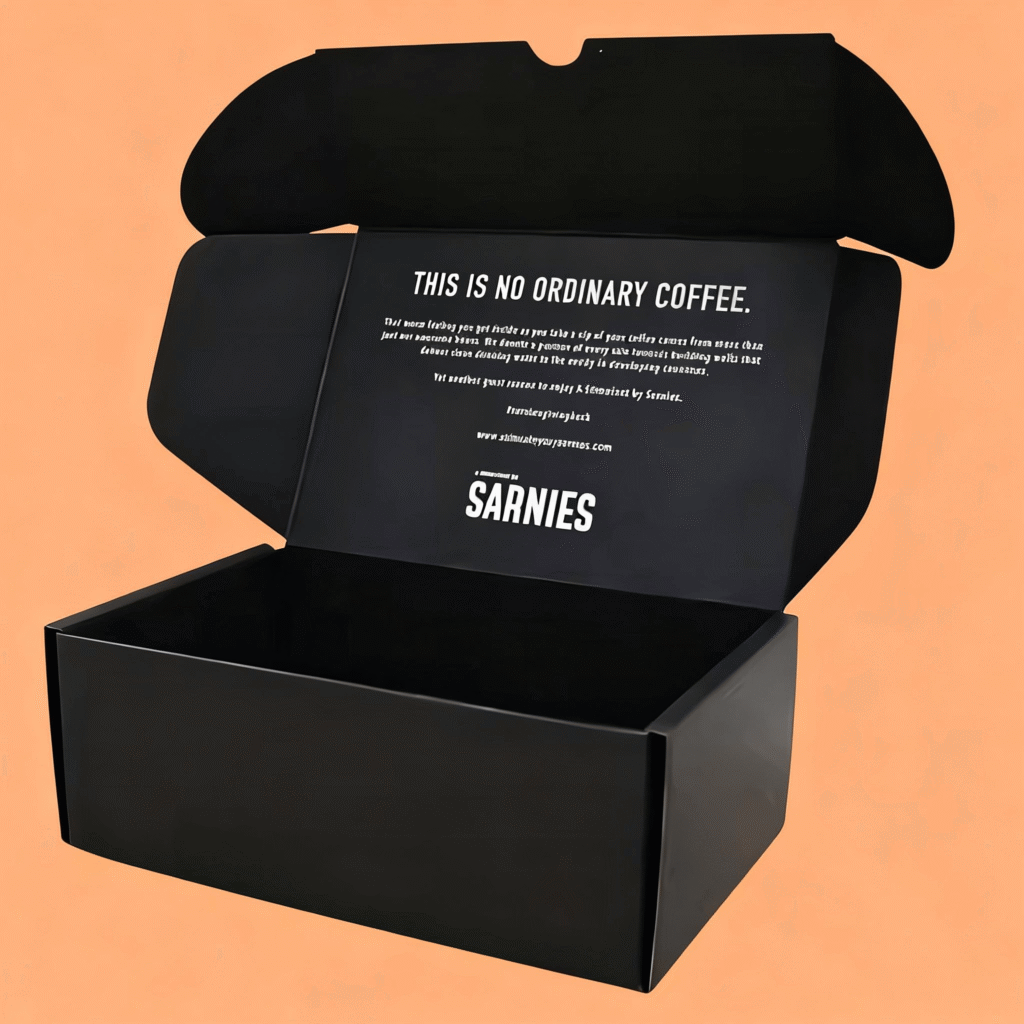
What we use in our factory
We use offset printing for most custom orders.
Our presses handle runs from 1,000 to 100,000 boxes.
We have six color presses with inline coating.
For small runs under 1,000, we use digital.
We own two high speed digital presses.
They produce samples within 24 hours.
For kraft paper packaging boxes, we use flexo.
Our flexo line prints on recycled brown board.
Eco friendly kraft packaging box runs are common.
We also offer foil stamping and embossing.
Luxury magnetic gift box with logo gets both.
Our in house tooling shop makes all dies.
A simple rule for your first order
If you are new to custom boxes, start simple.
Use offset printing with a matte coating.
Add one special finish like foil or spot UV.
Order samples of different methods together.
Compare them side by side on your desk.
Then decide which method fits your brand.
Custom paper boxes with logo do not need everything.
A clean, well printed box beats a messy fancy one.
Good printing makes your product look professional.
Final thoughts on printing methods
Digital for small runs and samples.
Offset for most standard custom boxes.
Flexo for large kraft packaging orders.
Screen for thick, textured ink effects.
Foil and embossing for premium touches.
UV coating for protection and shine.
Combine methods for truly luxury results.
Now you know what printing methods exist.
Talk to your manufacturer about your quantity.
They will recommend the most cost effective option.
Need custom packaging boxes with the right printing? Send us your artwork and quantity. We will suggest the best printing method for your budget and quality goals.
What about foil stamping