



how many calories in box of kraft mac and cheese
If you’re sourcing packaging for the first time this year, or even if you’ve been in the game for a while, the question always comes back to the same thing: what’s this actually going to cost me?
I get it. You’ve got a product to protect, a brand to represent, and a budget to stick to. In 2026, the custom packaging landscape looks a little different than it did a few years ago. Material prices have settled in some areas but shifted in others, and shipping costs still play a big role in the final number.
Let’s break down what actually goes into the cost of custom packaging boxes, without the fluff.
It Always Starts With the Box Style
The biggest factor in pricing is the type of box you need. Not all boxes are built the same way, and the manufacturing process varies wildly.
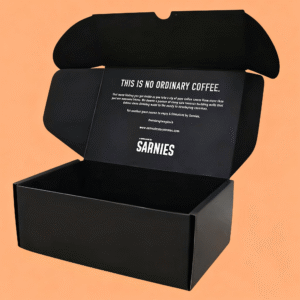
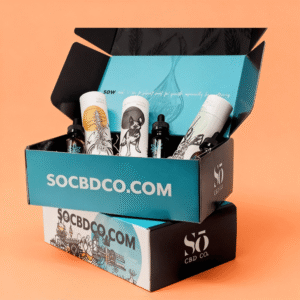
Kraft paper packaging boxes (foldable/corrugated): These are typically the most budget-friendly option. If you’re shipping e-commerce products like apparel, small electronics, or subscription boxes, this is your baseline. Because these are usually made from recycled materials and are lightweight, production costs stay low. For a standard run, you’re often looking at a range where the unit price drops significantly once you hit quantities above 500 or 1,000 units.
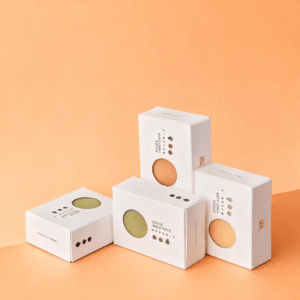
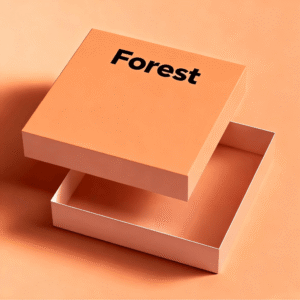
Paper boxes / folding cartons: Think of these as the next step up. These are your standard retail boxes—collapsible, made from paperboard, and often used for cosmetics,保健品, or smaller consumer goods. The cost here is moderate. The complexity comes in with the finishes. A simple one-color print on a folding carton is very affordable, but once you add windows, foil stamping, or custom inserts, the price climbs.
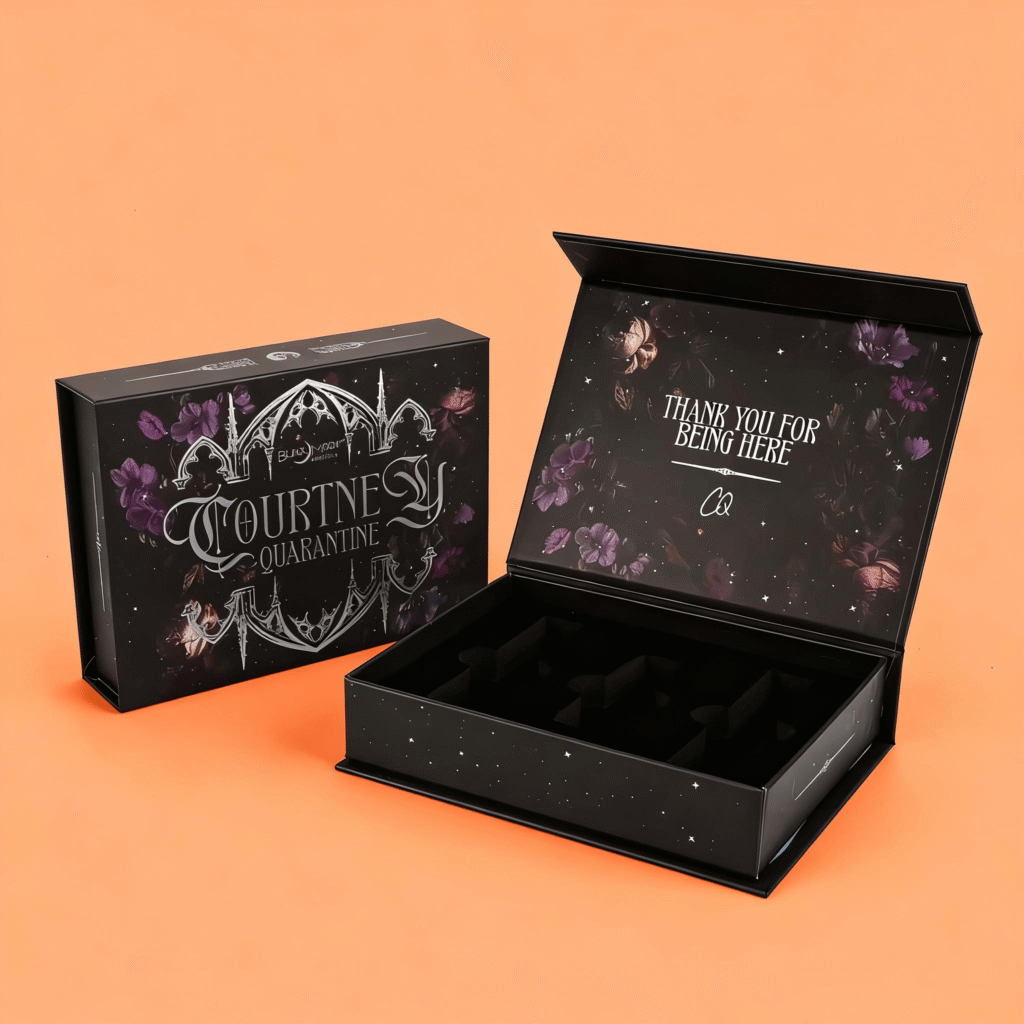
الصناديق الصلبة: This is where you see the jump. Rigid boxes (the ones that don’t fold flat, like iPhone boxes or high-end gift boxes) require more material, more manual labor, and heavier shipping. In 2026, labor costs in manufacturing have seen a steady increase, so rigid boxes are a premium investment. They’re not for every product, but if you’re selling luxury goods, they’re often non-negotiable. For rigid gift boxes wholesale, you’ll usually need to order in larger quantities (1,000+) to bring the per-unit cost into a reasonable range.
The Material Choice Matters More Now
In 2026, material sourcing is a bigger conversation than it was five years ago. There’s a real push toward sustainability, but that sometimes comes with a price tag.
If you’re looking at eco-friendly kraft packaging or recycled paperboard, you’ll find that these are often comparable in price to virgin materials now—sometimes even cheaper, as mills have streamlined recycled production. However, if you’re looking for specialty stocks, like textured papers for a luxury magnetic gift box with logo, expect a premium. Those specialty papers often have to be sourced separately and take more time to handle during the production process.
Printing and Finishing: Where the Look Gets Priced
A plain box is one thing. A box with your logo that makes a customer stop and notice? That’s where the value is.
In 2026, digital printing has become much more common for short runs, which has helped lower the entry barrier for small businesses. If you need 200 custom paper boxes with logo, digital printing is your friend—setup costs are minimal, though the per-unit cost stays higher than offset printing.
Offset printing is still the go-to for larger runs. It has higher upfront setup fees (plate making, die-cutting), but the per-unit cost drops substantially after a certain volume.
The real cost creep happens in the finishing details:
Foil stamping adds a setup fee and a per-unit cost.
Spot UV or embossing adds production time.
Magnetic closures (for rigid gift boxes) add a few cents to a couple of dollars per box depending on the magnet strength and placement.
Quantities: The Golden Rule
I can’t stress this enough—quantity drives everything.
If you come to me asking for 100 custom gift boxes with logo, I’ll be honest with you: the price per box is going to look high. You’re paying for setup time, machine calibration, and die-cutting tooling spread across a very small number of units.
Once you cross into the 500 to 1,000 range for folding cartons or kraft boxes, the price per unit often drops by 30 to 50 percent. For rigid boxes, the sweet spot for wholesale pricing usually starts around 1,000 to 2,000 units.
Hidden Costs to Watch For
A few things that sometimes catch buyers off guard in 2026:
Tooling/die-cutting fees: Unless you’re using a standard size, you’ll need a custom die for the shape of your box. This is a one-time fee, but it usually runs between $100 and $400 depending on complexity.
Sample charges: If you need production-like samples before the full run, factor that in. We usually charge a small fee for this to cover materials and labor, but it’s refundable once you place the main order.
Shipping: This is a big one. Rigid boxes don’t fold flat, so they take up space in shipping containers. Air freight costs have remained volatile in 2026. Sea freight is cheaper but requires lead time. When you’re calculating your landed cost, don’t just look at the ex-factory price—ask for the shipping estimate upfront.
So, What’s the Real Number?
It’s hard to give a flat price without knowing your specifics, but here’s a rough range to give you a starting point for 2026:
Kraft paper packaging boxes / foldable gift boxes: For a basic custom-printed run of 1,000 units, you’re often looking at $0.50 to $2.00 per box, depending on size and printing complexity.
Paper boxes / folding cartons: For 1,000 to 5,000 units, expect $0.80 to $3.50 per box. Add inserts or windows, and it creeps up.
Rigid boxes / luxury magnetic gift boxes: This is where the investment is higher. For 1,000 units, you’re often in the $3.00 to $10.00+ per box range. The size of the box, the thickness of the board, and the wrapping material all play into that.
Getting It Right
The best way to look at custom packaging isn’t as a cost—it’s as part of your product experience. I’ve worked with brands that tried to save a few cents per unit, only to end up with damaged goods in transit or packaging that didn’t reflect their brand value. On the flip side, I’ve seen small businesses grow quickly because they invested in a simple, clean kraft box with a well-printed logo that made their unboxing feel premium.
If you’re planning an order for 2026, my advice is to start the conversation early. Send over your box style idea (or let us suggest one), your rough quantity, and any logos or artwork you have. From there, we can walk you through the material options and give you a real number—no guesswork.
We’ve been doing this as a packaging box supplier in China for years, and we’re used to handling everything from small custom runs for startups to full container loads for established brands. If you’ve got a project in mind, reach out with the details, and we’ll get you a quote that fits your product and your budget.